BMI Percentile Calculator: What It Means and How to Use It (2026)
A BMI percentile calculator helps you understand where your BMI stands compared to others of the same age and sex. While a regular BMI calculator gives you a number and category, a percentile calculator shows how you rank among your peers.
This is especially useful for children and teens, but it can also provide helpful context for adults.
In this guide, you’ll learn what BMI percentiles mean, how to interpret them, and how to use this information effectively.
What is a BMI Percentile?
A BMI percentile shows the percentage of people who have a lower BMI than you, based on age and sex.
For example:
- If your BMI is in the 60th percentile, it means 60% of people your age and sex have a lower BMI than you.
- If your BMI is in the 90th percentile, only 10% of people have a higher BMI than you.
This gives a more nuanced view than a simple category like “overweight.”
BMI Percentile Categories
Here’s how percentiles are generally interpreted:
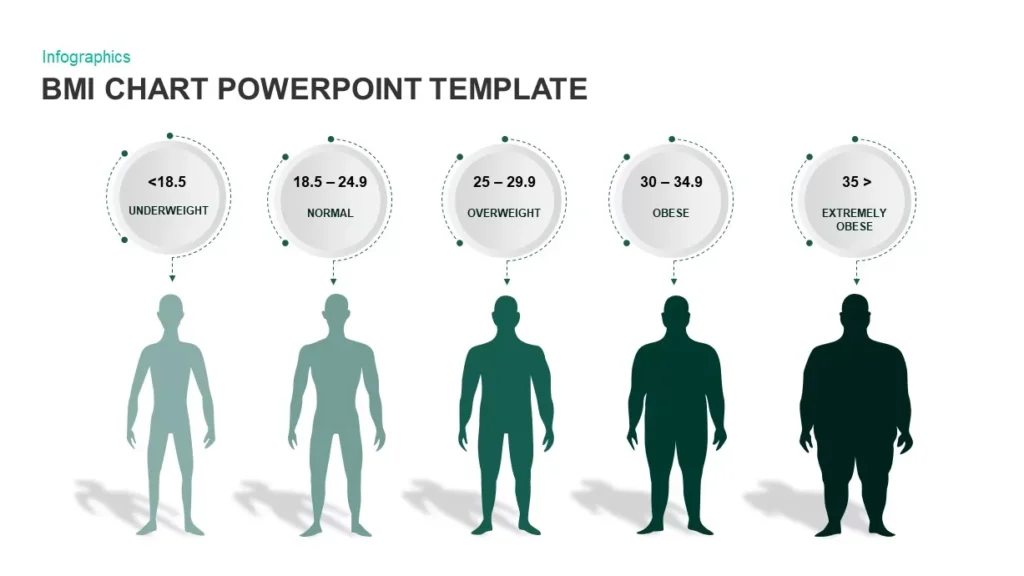
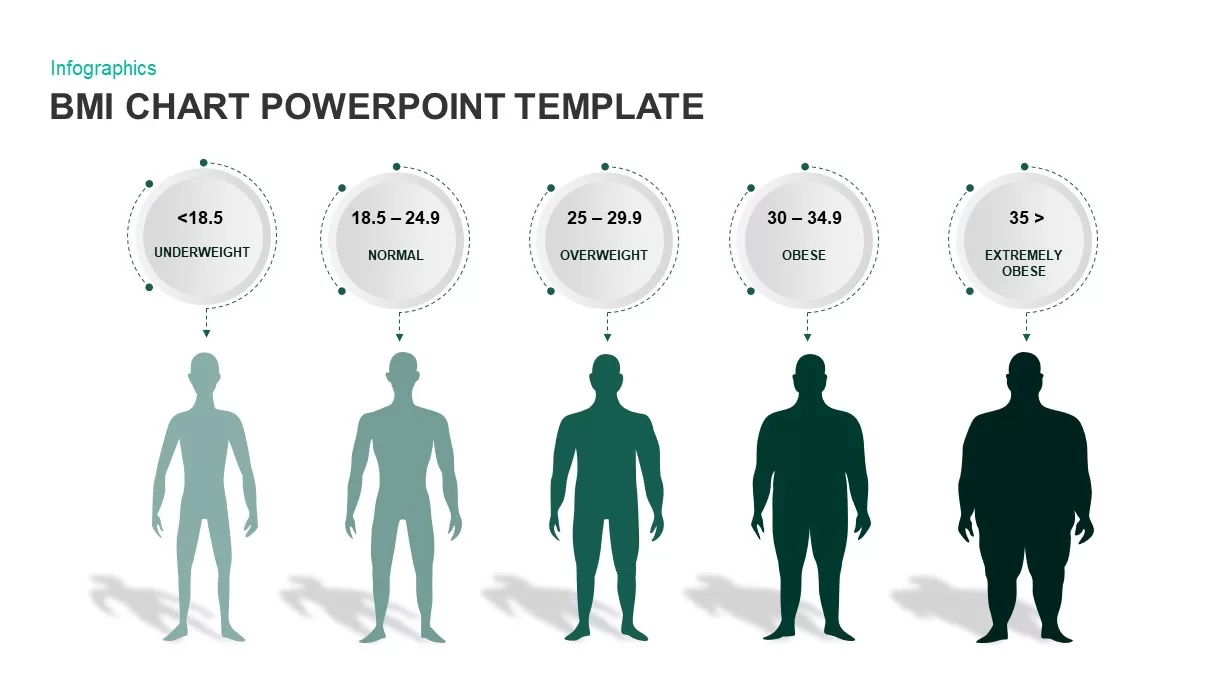
| Percentile Range | Category | What It Means |
|---|---|---|
| Less than 5th | Underweight | Lower BMI than 95% of peers |
| 5th to 85th | Healthy Weight | Normal range for age and sex |
| 85th to 95th | Overweight | Higher than 85–95% of peers |
| 95th and above | Obese | Higher than 95% of peers |
Why Use a BMI Percentile Calculator?
For Children and Teens
Pediatricians use BMI percentiles because children are still growing. A BMI that looks “normal” for an adult might be concerning for a child, and vice versa.
For Adults
While standard BMI categories are usually sufficient for adults, percentiles can still be useful when comparing yourself to others in your age group or tracking long-term trends.
How to Use a BMI Percentile Calculator
- Enter your age, sex, height, and weight.
- The calculator compares your BMI to growth charts or reference data.
- It shows your percentile rank and category.
- Use the result to understand your position and discuss it with a doctor if needed.
Limitations of BMI Percentiles
Even though percentiles are more detailed, they still have limitations:
- They don’t measure body fat directly
- They don’t account for muscle mass
- They can be influenced by ethnicity and genetics
- They should be used alongside other health indicators
Best Practices When Using BMI Percentiles
- Track trends over time rather than single readings
- Combine with waist circumference and body fat percentage
- For children, always discuss results with a pediatrician
- For adults, use percentiles as additional context, not the only measure
Recommended Tools
Frequently Asked Questions
Is BMI percentile only for kids? It’s most commonly used for children and teens, but can provide useful context for adults too.
What percentile is considered healthy? Generally, the 5th to 85th percentile is considered the healthy range.
Can my percentile change even if my weight stays the same? Yes, especially in children who are growing, or in adults as they age and lose muscle.
Ready to check your BMI? Use Our Free BMI Calculator →