How to Use a BMI Calculator Correctly for Best Results (2026)
Using a BMI calculator is simple, but many people make small mistakes that lead to inaccurate or misleading results. Knowing how to use it correctly helps you get the most value from the tool.
In this guide, you’ll learn the proper way to use a BMI calculator, common errors to avoid, and how to interpret your results effectively.
Calculate Your BMI Correctly →
Step-by-Step: How to Use a BMI Calculator
Step 1: Choose a Reliable Calculator
Use a trusted tool that supports both metric (kg/cm) and imperial (lbs/inches) units.
Step 2: Enter Accurate Information
- Measure your weight on a reliable scale (ideally in the morning, after using the bathroom).
- Measure your height accurately (without shoes).
Step 3: Select the Correct Unit System
- Use kg and cm (or meters) if you prefer metric.
- Use lbs and inches if you prefer imperial.
Step 4: Review Your Results
Most calculators will show:
- Your exact BMI number
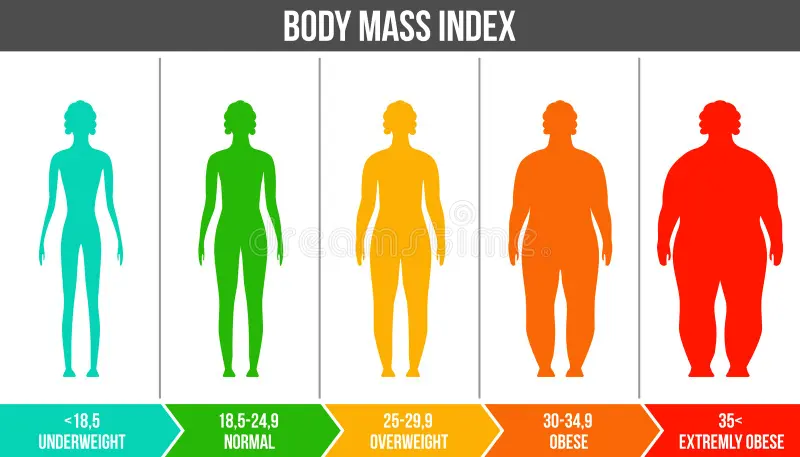
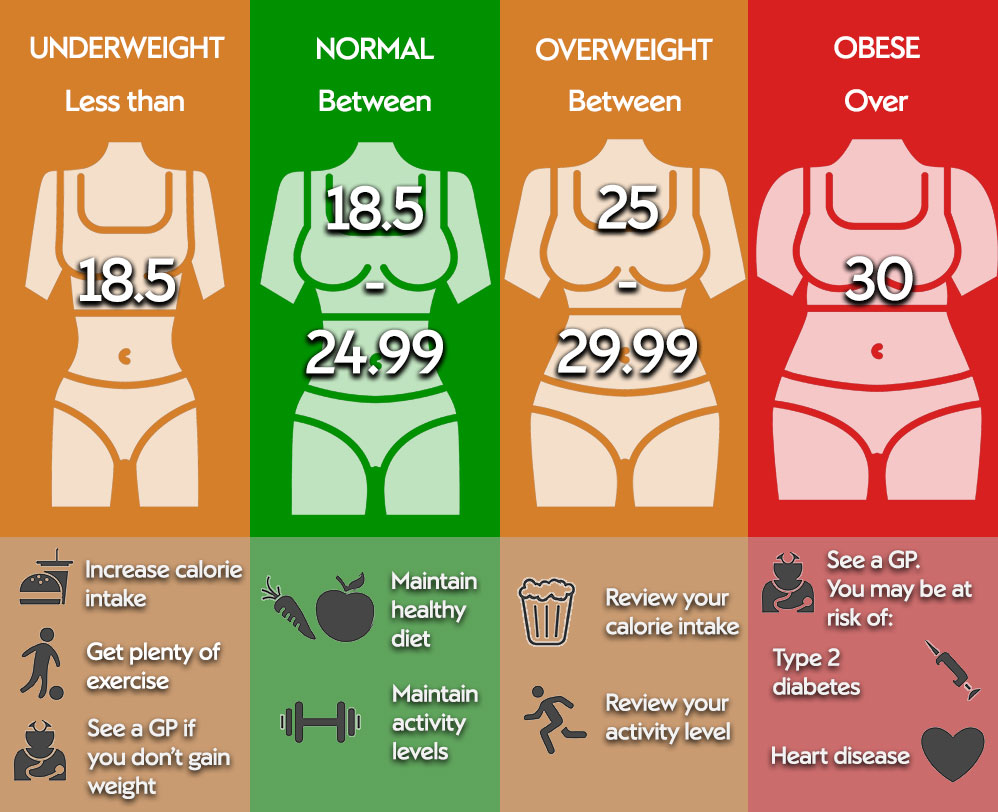
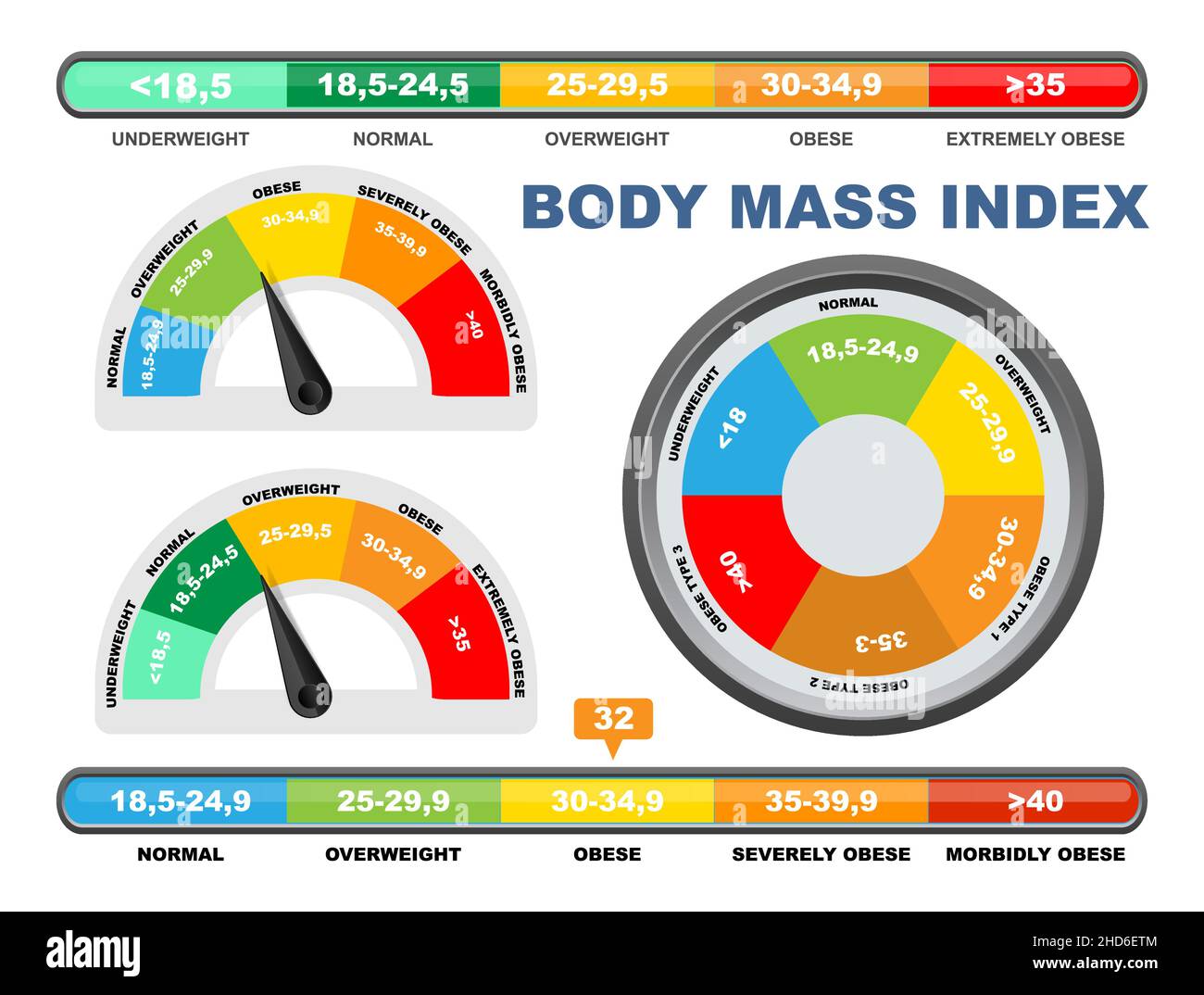
- Your category (Underweight, Healthy, Overweight, Obese)
- Sometimes additional insights (ideal weight, health risks)
Step 5: Understand What the Results Mean
Use the results as a starting point, not the final word on your health.
Common Errors to Avoid
- Using height in centimeters instead of meters (metric)
- Forgetting to square the height
- Mixing metric and imperial units
- Rounding too early in calculations
- Relying only on BMI without other metrics
How to Interpret Your BMI Results
| BMI Range | Category | What It Generally Means |
|---|---|---|
| Below 18.5 | Underweight | May need to gain weight |
| 18.5 – 24.9 | Healthy Weight | Generally healthy range |
| 25.0 – 29.9 | Overweight | May benefit from lifestyle changes |
| 30.0 and above | Obese | Higher health risks |
Best Practices for Best Results
- Weigh yourself consistently (same time of day, same conditions).
- Track trends over time rather than single readings.
- Combine BMI with other metrics (waist circumference, body fat %, energy levels).
- Reassess regularly — every 4–8 weeks is ideal.
- Consult a doctor for personalized interpretation, especially if you have health conditions.
Recommended Tools
Final Thoughts
Using a BMI calculator correctly gives you a helpful starting point for understanding your weight status. When combined with other health metrics and professional advice, it becomes a powerful tool for tracking progress and making informed decisions.
Ready to use a BMI calculator correctly? Calculate Your BMI Now →