BMI Chart: How to Read and Use BMI Charts Effectively (2026)
A BMI chart is one of the quickest ways to understand where your weight stands in relation to your height. Whether you’re using a simple table, color-coded graphic, or digital calculator, knowing how to read a BMI chart helps you make better health decisions.
In this guide, you’ll learn how BMI charts work, how to interpret them correctly, and how to use them alongside other health metrics.
What is a BMI Chart?
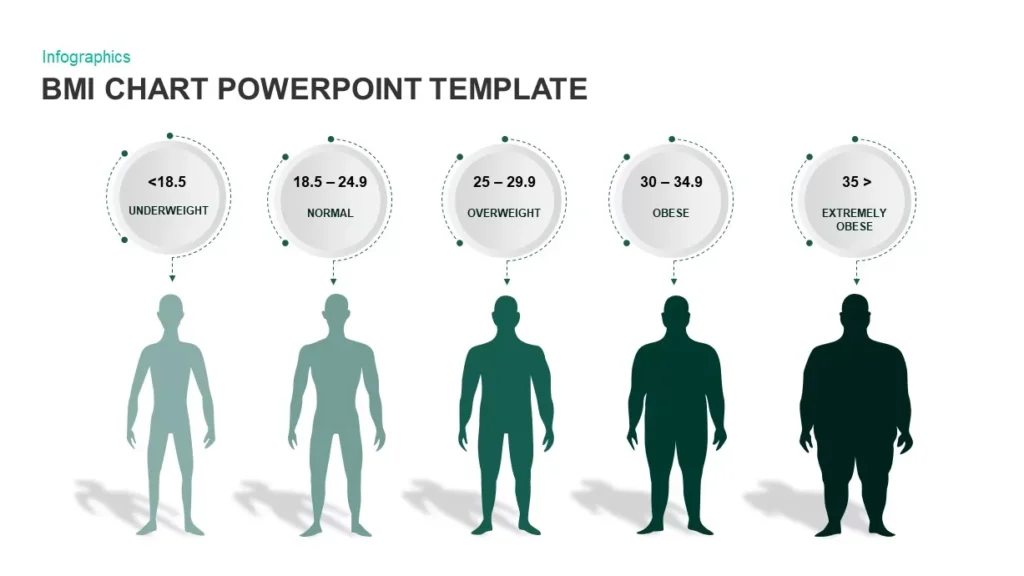
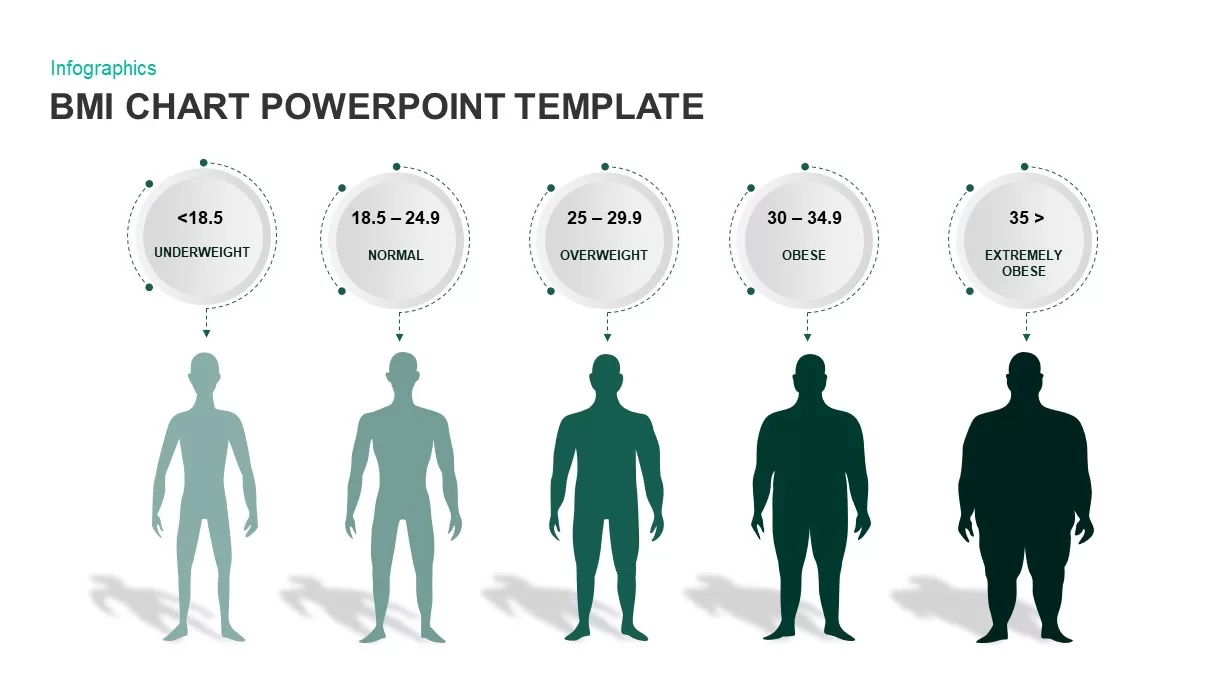
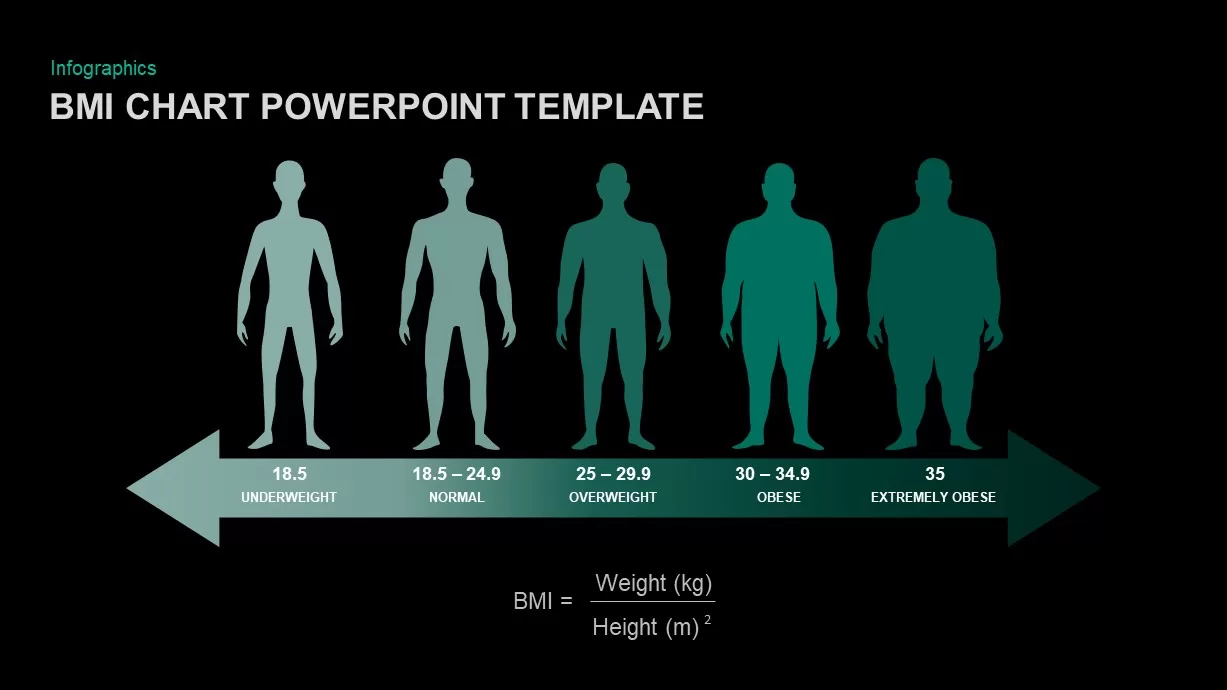
A BMI chart visually displays Body Mass Index categories based on height and weight. It allows you to quickly see whether you fall into the underweight, healthy, overweight, or obese range without doing manual calculations every time.
Most BMI charts show categories using colors or ranges for easy understanding.
Standard BMI Categories
Here are the official adult BMI categories used worldwide:
| BMI Range | Category | Color on Most Charts | Health Risk |
|---|---|---|---|
| Below 18.5 | Underweight | Blue / Light | Increased |
| 18.5 – 24.9 | Healthy Weight | Green | Lowest |
| 25.0 – 29.9 | Overweight | Yellow / Orange | Increased |
| 30.0 – 34.9 | Obesity Class 1 | Orange | High |
| 35.0 – 39.9 | Obesity Class 2 | Red | Very High |
| 40.0 and above | Obesity Class 3 | Dark Red | Extremely High |
How to Read a BMI Chart
Using a Table-Style BMI Chart
- Find your height on the left or top of the chart.
- Move across or down to your current weight.
- See which color/category your weight falls into.
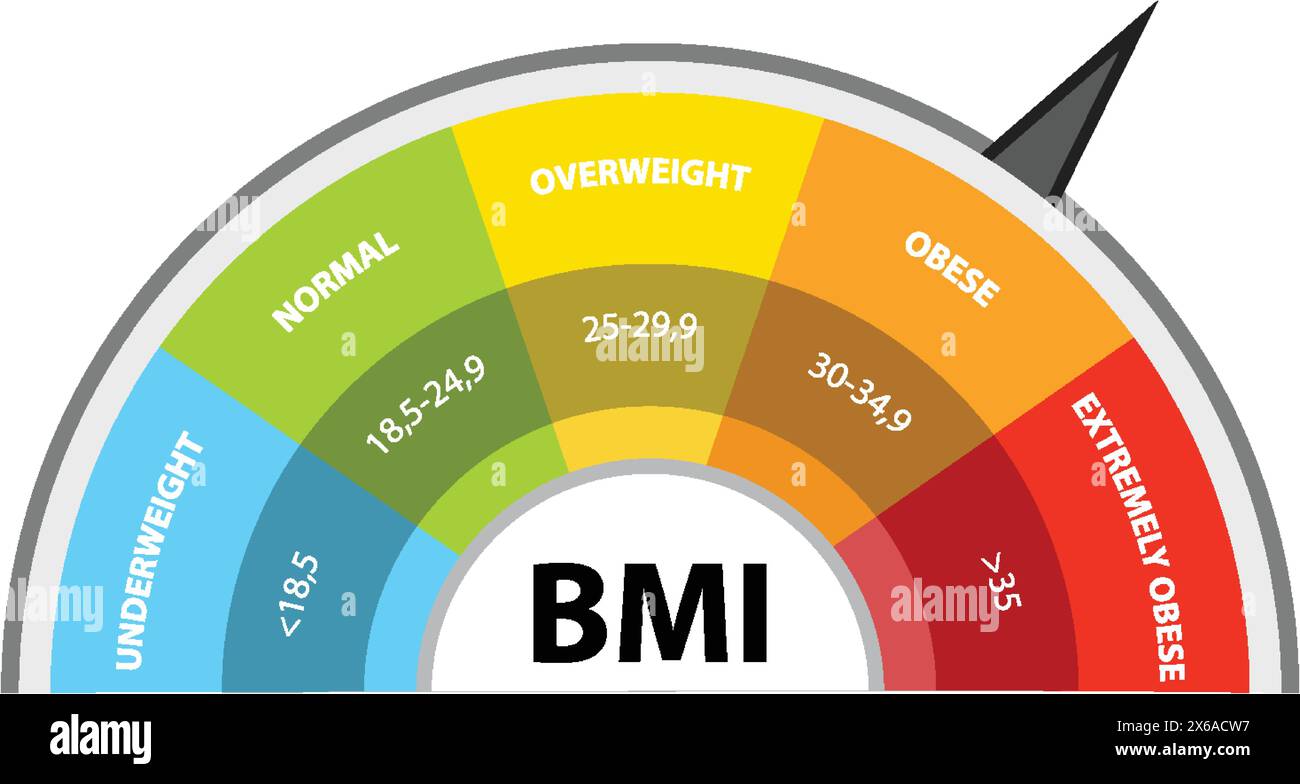
Using a Gauge or Color Wheel Chart
These charts show a needle or highlighted section indicating your BMI range at a glance.
BMI Charts for Different Groups
While the categories are generally the same, interpretation can vary:
BMI Chart for Women
Women naturally carry more body fat than men. A BMI on the higher end of “healthy” may still be normal for some women, especially athletes.
BMI Chart for Men
Men tend to have more muscle mass. A BMI in the overweight range can sometimes reflect muscle rather than fat.
BMI Chart by Age
As discussed in previous posts, BMI interpretation becomes more nuanced after age 40–50 due to natural muscle loss.
Limitations of BMI Charts
While BMI charts are useful, they have limitations:
- They don’t distinguish muscle from fat
- They don’t show fat distribution (visceral fat)
- They can be misleading for very muscular or very lean people
- They don’t account well for older adults
This is why many health professionals now recommend using BMI charts together with other tools.
How to Use BMI Charts Effectively
Here’s the best way to use BMI charts in 2026:
- Start with a BMI chart for a quick overview.
- Check your waist circumference for visceral fat risk.
- Measure body fat percentage for accurate body composition.
- Track trends over time rather than single readings.
- Consult a doctor for personalized interpretation, especially if you have health conditions.
Recommended Tools
Frequently Asked Questions
Are BMI charts accurate? They are good for general screening but should not be the only tool used, especially for athletes or older adults.
Can I use the same BMI chart for men and women? Yes, the categories are the same, but interpretation can differ slightly due to body composition.
How often should I check my BMI on a chart? Every 4–8 weeks is ideal when working on weight or fitness goals.
Is there a better chart than BMI? Body fat percentage charts and waist-to-height ratio charts often provide more useful information.
Ready to check where you stand? Use Our Free BMI Calculator →