How to Calculate BMI for Women: Complete Guide with Formula, Chart & Age (2026)
Calculating BMI for women follows the same formula as for men, but interpretation often differs due to natural differences in body composition. Women typically carry more body fat than men, and hormonal changes throughout life can affect weight distribution and metabolism.
In this complete guide, you’ll learn the exact formula, how to interpret results for women at different ages, and how to use BMI alongside other health metrics.
BMI Formula for Women
The formula is the same for everyone:
Metric (Recommended): BMI = weight (kg) ÷ [height (m)]²
Imperial: BMI = [weight (lbs) ÷ height (in)²] × 703
Example Calculation (Metric)
- Weight: 65 kg
- Height: 1.65 m
Step 1: Square the height → 1.65 × 1.65 = 2.7225 Step 2: Divide weight by height squared → 65 ÷ 2.7225 ≈ 23.87
Result: BMI = 23.87 → Healthy Weight
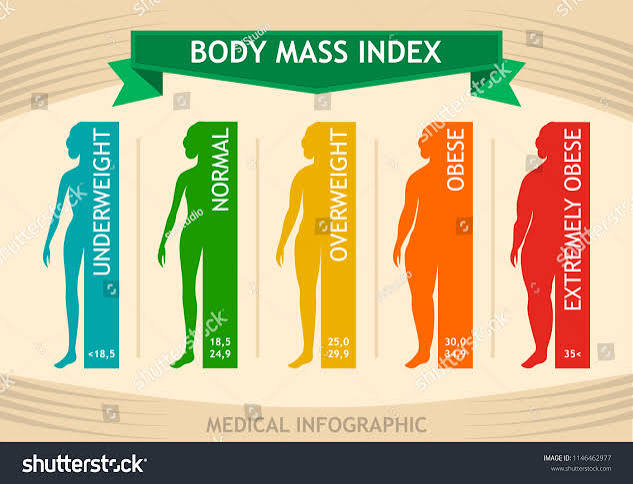
BMI Categories for Women
| BMI Range | Category | Notes for Women |
|---|---|---|
| Below 18.5 | Underweight | May indicate low body fat or health issues |
| 18.5 – 24.9 | Healthy Weight | Generally ideal range |
| 25.0 – 29.9 | Overweight | May need lifestyle adjustments |
| 30.0 and above | Obese | Higher health risks |
How Age Affects BMI for Women
Ages 20–35
- Muscle mass is usually high.
- Standard BMI categories are most accurate.
Ages 36–50 (Perimenopause)
- Hormonal shifts can cause weight gain, especially around the abdomen.
- A BMI in the upper healthy range or slightly overweight may still be normal if muscle is maintained.
Age 50+ (Postmenopause)
- Muscle loss accelerates.
- Slightly higher BMI can be protective.
- Focus should shift to strength training and protein intake.
Important Considerations for Women
- Body Composition: Women naturally have higher body fat percentages than men at the same BMI.
- Pregnancy: BMI is not accurate during pregnancy.
- Muscle Mass: Athletic women may have a higher BMI due to muscle.
- Fat Distribution: Visceral fat (around organs) is more dangerous than fat stored in hips and thighs.
Best Practices When Calculating BMI for Women
- Use the metric formula for more accuracy.
- Track waist circumference in addition to BMI.
- Consider body fat percentage for better insight.
- Reassess goals during hormonal transitions (perimenopause, menopause).
- Focus on strength training to preserve muscle as you age.
Recommended Tools
Frequently Asked Questions
Is BMI different for women than men? The formula is the same, but women generally have higher body fat at the same BMI.
What is a healthy BMI for women over 50? A BMI between 22–27 is often considered acceptable for women over 50, especially if muscle mass is maintained.
Can I be overweight but still healthy? Yes, especially if you have good muscle mass and low visceral fat. Always combine BMI with other measurements.
Ready to calculate your BMI? Use Our Free BMI Calculator →