How Accurate is BMI? Limitations, Myths & Better Alternatives in 2026
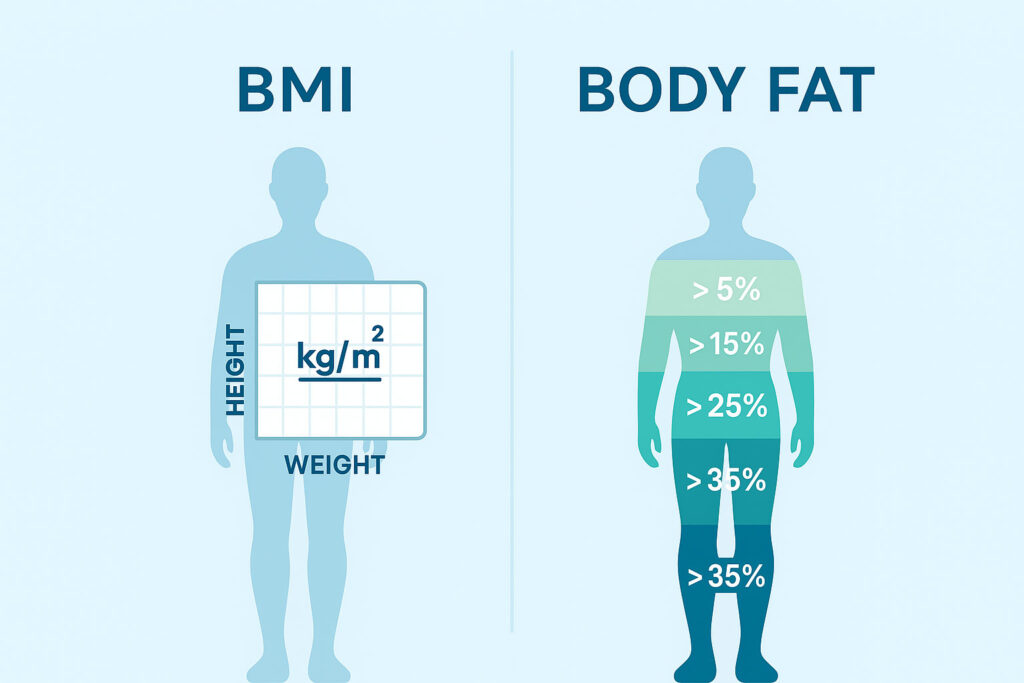
Body Mass Index (BMI) has been the standard tool for assessing weight status for decades. But in 2026, more people are asking: How accurate is BMI really?
While BMI is quick and inexpensive, it has significant limitations. Many health experts now recommend using it as just one part of a bigger picture rather than the sole indicator of health.
In this in-depth guide, we’ll break down the accuracy of BMI, its major limitations, common myths, what recent research says, and the better alternatives you should consider.
What is BMI and Why Was It Created?
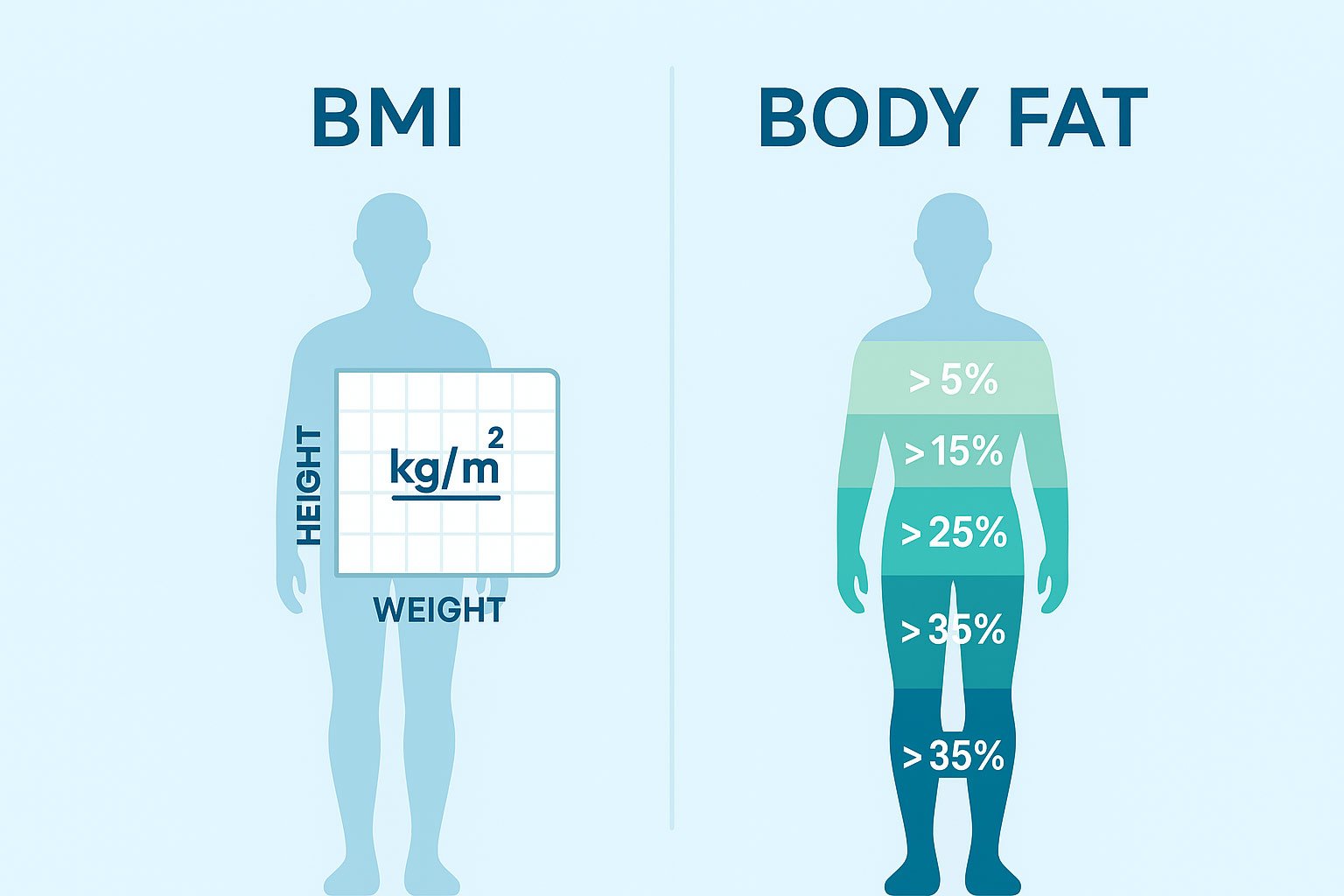
BMI was developed in the 1830s by Belgian mathematician Adolphe Quetelet. It was never originally intended as a tool to measure individual health or body fat. It was designed as a simple population-level statistic.
The formula is straightforward:
Metric: BMI = weight (kg) / [height (m)]² Imperial: BMI = [weight (lb) / height (in)²] × 703
Because it only uses height and weight, it’s extremely easy to calculate — but that simplicity comes at a cost.
Major Limitations of BMI
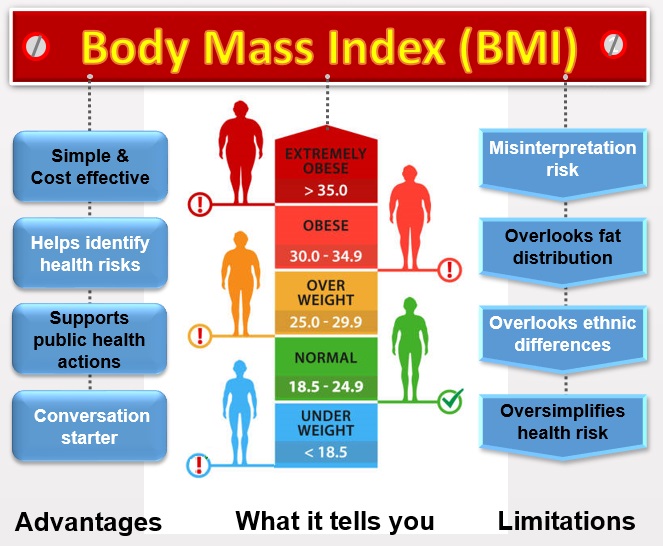
Here’s why BMI often falls short as a health metric:
1. It Doesn’t Distinguish Muscle from Fat
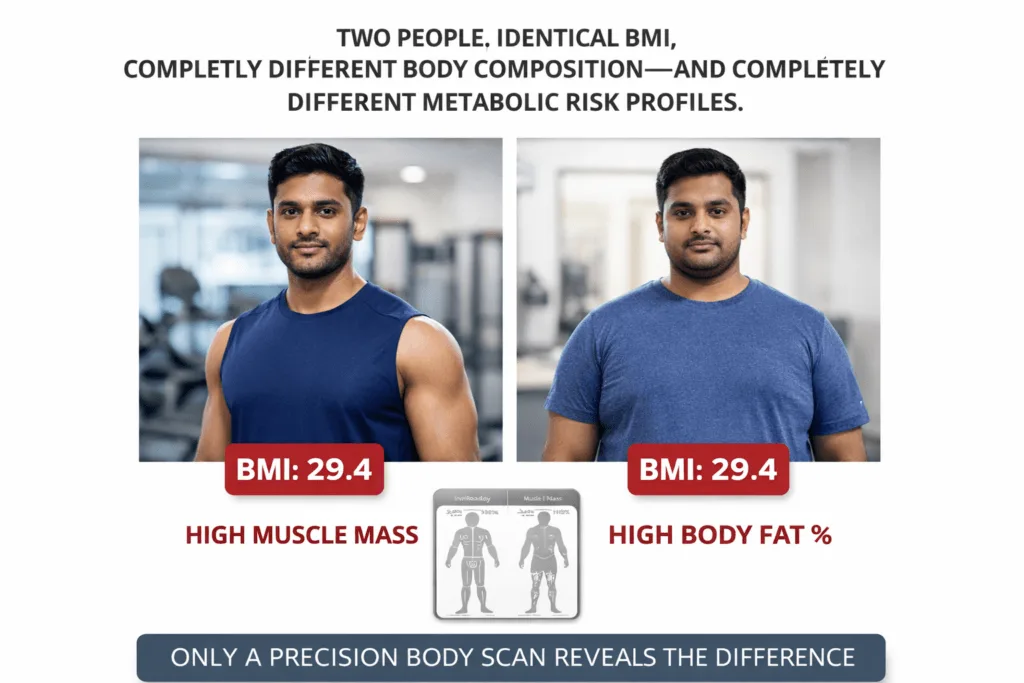
A muscular athlete and someone with high body fat can have the exact same BMI. Muscle weighs more than fat, so many fit individuals are incorrectly labeled as overweight or obese.
2. It Ignores Fat Distribution
Where fat is stored matters more than how much you have. Visceral fat (around the organs) is far more dangerous than subcutaneous fat. BMI cannot tell the difference.
3. It Doesn’t Account for Age, Sex, or Ethnicity
BMI categories are the same for a 25-year-old and a 65-year-old, even though body composition naturally changes with age. It also doesn’t adjust well for different ethnic groups who may have different risk profiles at the same BMI.
4. It Can Mislead About Health Risks
Some people with “normal” BMI still have high body fat and metabolic issues (“skinny fat”). Others with higher BMI are metabolically healthy.
Common Myths About BMI
Myth 1: A “normal” BMI means you’re healthy. Reality: Many people with normal BMI still have high visceral fat or poor metabolic health.
Myth 2: High BMI always means you need to lose weight. Reality: For muscular individuals, high BMI often reflects muscle, not excess fat.
Myth 3: BMI is the best way to track progress. Reality: Tracking body composition, waist circumference, and how clothes fit often gives better feedback.
What Does Recent Research Say About BMI?
Studies from 2024–2026 have increasingly questioned BMI’s effectiveness as a standalone health marker. Research shows that:
- BMI is a poor predictor of individual mortality risk in many populations.
- Waist circumference and body fat percentage are stronger indicators of cardiovascular and metabolic risk.
- Combining multiple metrics gives a much clearer picture of health than BMI alone.
Better Alternatives to BMI
Here are more accurate ways to assess health and body composition:
1. Body Fat Percentage
This measures the actual proportion of fat in your body. It’s significantly more useful than BMI for tracking fitness and health.
Tools: DEXA scans, InBody, smart scales, or our Body Fat Calculator.
2. Waist Circumference & Waist-to-Height Ratio
Measuring your waist is one of the simplest and most effective ways to assess visceral fat and health risk.
General Guidelines:
- Men: Waist under 40 inches (102 cm) is lower risk
- Women: Waist under 35 inches (88 cm) is lower risk
3. BMR (Basal Metabolic Rate)
Knowing how many calories your body burns at rest helps with nutrition planning far better than BMI.
4. Ideal Weight Range
Our Ideal Weight Calculator gives a more personalized target based on height and frame.
5. Overall Metabolic Health Markers
Blood pressure, fasting glucose, cholesterol, and inflammation markers often tell more about health than weight alone.
When is BMI Still Useful?
Despite its limitations, BMI remains valuable in these situations:
- Quick population-level screening
- Initial assessment in clinical settings
- Tracking large-scale weight trends over time
- When more advanced tools aren’t available
The key is to never rely on BMI alone.
How to Get a Complete Picture of Your Health
For the most accurate assessment in 2026, combine these metrics:
| Metric | What It Measures | Accuracy Level | Recommended Tool |
|---|---|---|---|
| BMI | Weight relative to height | Low–Medium | BMI Calculator |
| Body Fat % | Actual fat percentage | High | Body Fat Calculator |
| Waist Circumference | Visceral fat risk | High | Measuring tape |
| BMR | Daily calorie needs | High | BMR Calculator |
| Waist-to-Height Ratio | Central obesity risk | High | Simple calculation |
Final Thoughts: Should You Still Use BMI?
BMI is a useful starting point, but it is not a complete or highly accurate measure of health for individuals. In 2026, the smartest approach is to use BMI alongside body composition analysis, waist measurements, and metabolic markers.
Focus on how you feel, your energy levels, strength, and long-term habits rather than chasing a “perfect” BMI number.
Ready to get a more complete picture? → Calculate Your BMI → Check Your Body Fat → Calculate Your BMR